
Gas prices won’t fall quickly despite tentative signs of stabilization in oil markets, prompting experts to counsel proactive steps for drivers seeking immediate relief. Here are ways to pay less at the pump right now that combine data-driven shopping with everyday efficiency gains.
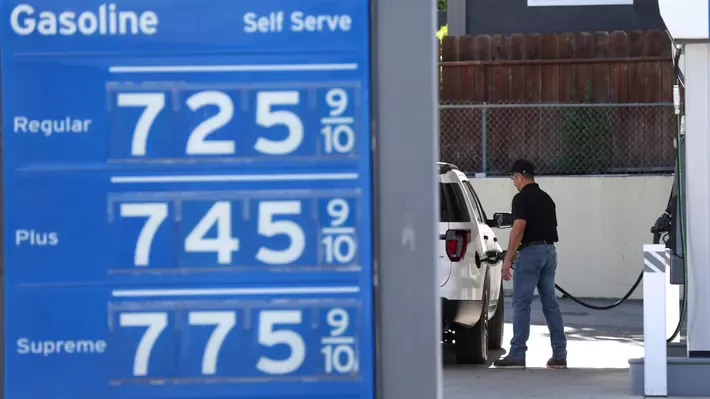
April 20, 2026, marked another week of elevated fuel costs weighing on American wallets. With the national average for regular gasoline at approximately $4.05—still well above the $2.98 seen before February’s disruptions—households across income levels are feeling the pinch. Energy Secretary Chris Wright’s recent comments on CNN underscored the reality: while prices may have peaked, a return to sub-$3 levels could wait until late 2026 or even 2027, depending on how quickly global supply chains normalize and domestic refining capacity rebounds.
Economists point to a familiar yet stubborn mix of influences. Higher crude costs from earlier supply worries continue to ripple through the system. Refinery utilization rates remain below optimal levels after scheduled maintenance, and retail margins have yet to compress fully. Seasonal factors—more vehicles on the road, longer daylight hours encouraging travel—further support prices. The EIA’s latest projections show gasoline consumption dipping slightly in 2026 and 2027 thanks to improving fleet fuel economy, but not enough to offset near-term pressures.
Gas Prices Won’t Fall Quickly: Immediate Steps to Pay Less at the Pump Right Now
Drivers do not have to accept the status quo. A growing body of consumer research and on-the-ground testing highlights straightforward tactics that deliver measurable savings without requiring major sacrifices. The foundation is information asymmetry: most stations update prices at different times, creating opportunities for savvy shoppers. Apps like GasBuddy, integrated into millions of smartphones, aggregate data from thousands of locations and allow users to sort by price, distance and fuel grade. Regular users report consistent savings of 10 to 25 cents per gallon simply by avoiding the most expensive outlets in their zip code.
Retail partnerships amplify those gains. Membership-based warehouse clubs have refined their fuel strategy into a science. Costco, Sam’s Club and BJ’s consistently price gasoline 25 to 35 cents below surrounding independents, according to independent tracking by OPIS. The model works because low fuel prices drive foot traffic into the stores, where higher-margin sales offset the discount. For non-members, supermarket loyalty programs offer an alternative. Kroger’s points system, Shell partnerships and Walmart+ fuel discounts create a web of incentives that reward routine spending with pump savings.
Credit and debit choices can tilt the scales further. Some stations still advertise cash discounts to sidestep interchange fees. Others partner with specific cards offering 3 to 5 percent back on gas purchases. Cash-back apps add another layer, letting drivers claim offers before filling up and earning real dollars rather than points. The cumulative effect, when stacked, can exceed 40 cents per gallon for disciplined users.
Beyond shopping, vehicle care and driving style provide the most reliable long-term leverage. Underinflated tires increase rolling resistance and can waste 3 percent or more of fuel—equivalent to several cents per gallon over thousands of miles. A quick monthly check with a reliable gauge prevents that loss. Keeping the gas cap sealed tightly avoids evaporation, while fresh air filters and proper oil maintain engine efficiency. The Department of Energy’s fuel economy guide remains the gold standard for these basics.
On the road, small adjustments yield outsized results. Most cars achieve peak efficiency at moderate highway speeds; pushing past 70 miles per hour burns fuel disproportionately. Smooth acceleration, coasting toward stops and minimizing idling in traffic all preserve mileage. Removing unused roof racks or cargo boxes reduces drag, and lighter loads in the trunk improve economy. For those with flexible schedules, filling up midweek or early morning often captures lower prices before daily adjustments.
Broader behavioral shifts also help. Carpooling through apps like Waze Carpool or organizing neighborhood school runs spreads costs. Telework days, even occasional ones, slash weekly mileage. Public transit, biking or walking for short errands can eliminate a tank’s worth of driving each month. For families contemplating bigger changes, the used-hybrid market offers attractive economics. Many models now deliver 40 miles per gallon combined, and with current prices, the fuel savings can offset higher insurance or loan payments within 18 to 24 months.
State-by-state differences highlight the uneven impact. California drivers facing $5.89 averages have turned cross-border runs into routine strategy. Midwestern states benefit from refinery proximity and lower taxes, giving residents a natural edge. Yet everywhere, the combination of apps, maintenance and mindful driving levels the playing field.
Consumer advocates stress that these measures are not about deprivation but empowerment. “The market moves slowly,” one AAA analyst observed, “but your personal fuel bill doesn’t have to.” By adopting even a subset of the available tools—price tracking, loyalty stacking, routine upkeep and efficient habits—drivers can reclaim meaningful dollars each month. In an economy where every expense feels amplified, those incremental victories provide tangible relief while policymakers and markets work toward longer-term balance.