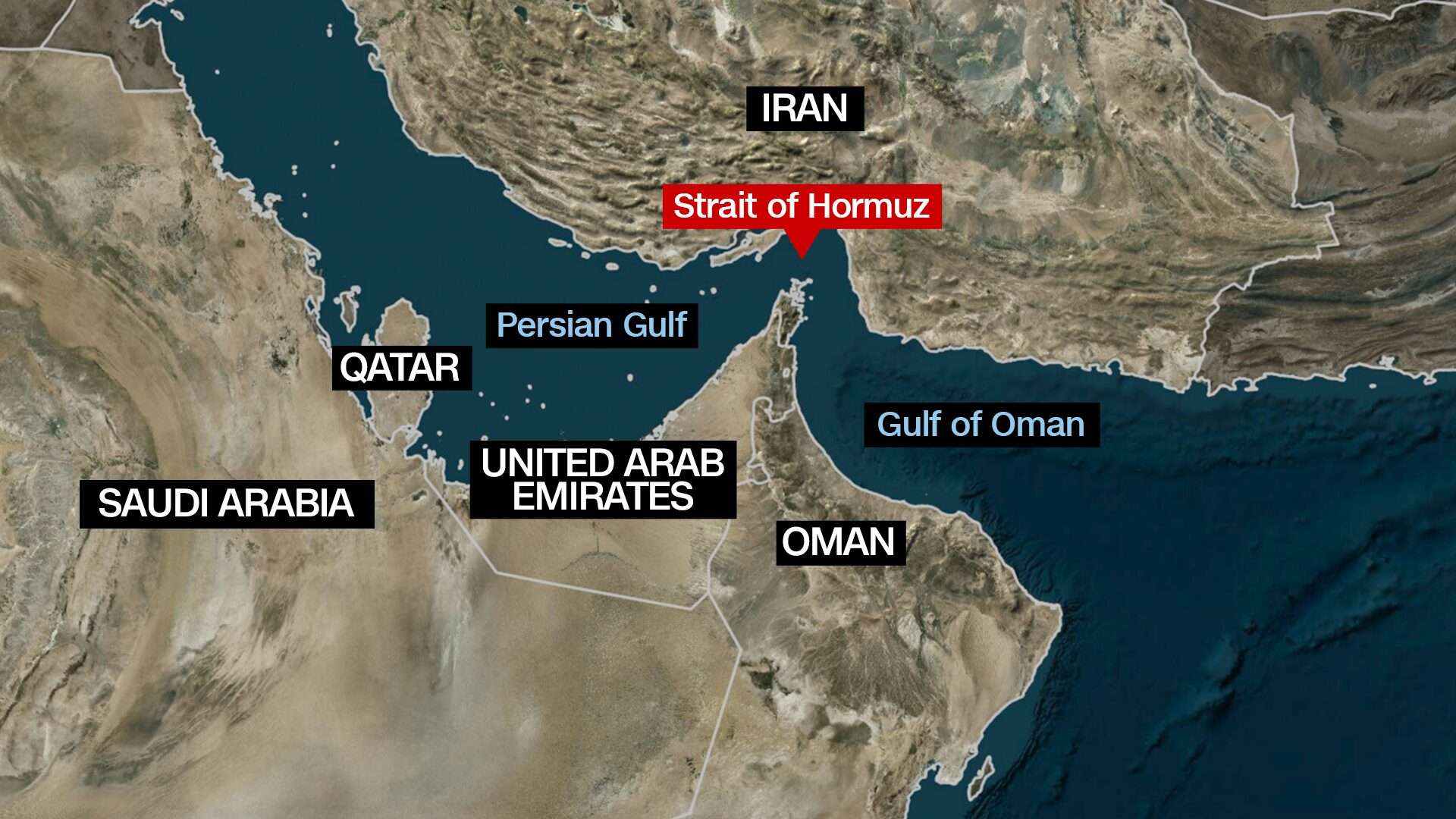

Iran has secured the upper hand in the Strait of Hormuz, using calculated risks and adaptive tactics to maintain influence over global energy flows despite intense pressure from U.S. and Israeli operations. This dominance highlights how a determined regional actor can exploit vulnerabilities in superpower strategies, turning potential weakness into geopolitical strength.
On March 27, 2026, as the conflict stretches into its fourth week, maritime data confirms minimal commercial transits, with Iranian forces enforcing a de facto closure through targeted threats and occasional strikes. The development has global repercussions, yet Tehran shows no sign of yielding control easily.
Iran’s Long Game: From Theory to Practice
Iran’s approach to the strait evolved over decades. Lessons from the 1980s tanker war, combined with observations of asymmetric successes elsewhere, shaped a doctrine emphasizing denial over destruction. The IRGCN built infrastructure—tunnels, hardened sites, dispersed stockpiles—to sustain operations under fire. Recent exercises and deployments, including drone carriers near Bandar Abbas, signal preparedness.
The New York Times and Al Jazeera analyses trace this evolution, noting how Iran revised tactics post-2025 clashes with Israel. The focus shifted toward maritime domains where its proximity and low-cost assets shine brightest.
Asymmetric Warfare Redefined
Key to the upper hand is Iran’s refusal to fight symmetrically. Instead of large surface fleets, it fields swarms: missile boats, unmanned vessels, and shore-launched systems that multiply defensive layers. Mines laid covertly create ongoing clearance nightmares. Drones, cheap and expendable, force expensive intercepts.
Pentagon sources cited in CNN and Fox News reporting admit that while strikes have reduced missile inventories, residual capabilities—especially in small-boat and mine operations—persist. The challenge lies in the human and geographic elements: IRGC sailors trained for high-risk missions operate in familiar waters, giving them tactical edges that satellites and aircraft cannot always overcome.
Why Iran Holds the Upper Hand in the Strait of Hormuz
The core reason is simple yet profound: Iran can afford to play the long game. Its regime views survival as victory, and the strait offers the perfect arena. By disrupting 20 percent of global oil without needing total closure, Tehran generates leverage disproportionate to its conventional strength. U.S. officials acknowledge privately that full reopening demands prolonged commitment, risking overstretch elsewhere.
This dynamic echoes broader Iranian strategy—proxies, drones, and chokepoints—to deter intervention. In Hormuz, it has succeeded in raising the stakes, compelling adversaries to confront economic and political blowback.
Broader Geopolitical Consequences
The crisis strains international relations. China and India, heavily reliant on the route, press for resolution yet avoid direct confrontation. Gulf Cooperation Council members balance security pacts with economic self-interest. European voices urge diplomacy, wary of energy shocks feeding domestic unrest.
Broader coverage from PBS and The Guardian illustrates how Iran’s actions have elevated the strait from regional concern to global flashpoint. Threats to expand disruption to other routes amplify the pressure.
Toward Resolution or Prolonged Stalemate?
Looking forward, Iran’s upper hand may compel creative solutions: hybrid security arrangements, confidence-building measures, or negotiated access protocols. Yet Tehran’s demonstrated ability to reassert control suggests any peace will include recognition of its regional role.
Ultimately, the episode reaffirms that in contested maritime spaces, resolve and local knowledge can counterbalance technological might. As stakeholders weigh costs, the strait remains a proving ground for 21st-century deterrence.
This article is based on reporting from BBC, CNN, NBC, Fox News, New York Times and other media outlets.
Focus keywords: Iran Strait of Hormuz upper hand, Iran strategic advantage Hormuz, why Iran has edge in Strait of Hormuz, Iran Hormuz geopolitical strategy 2026, asymmetric tactics Hormuz Iran