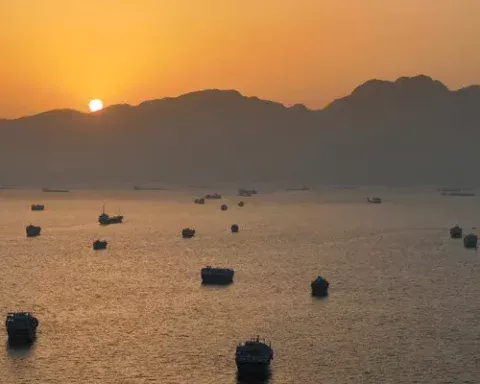
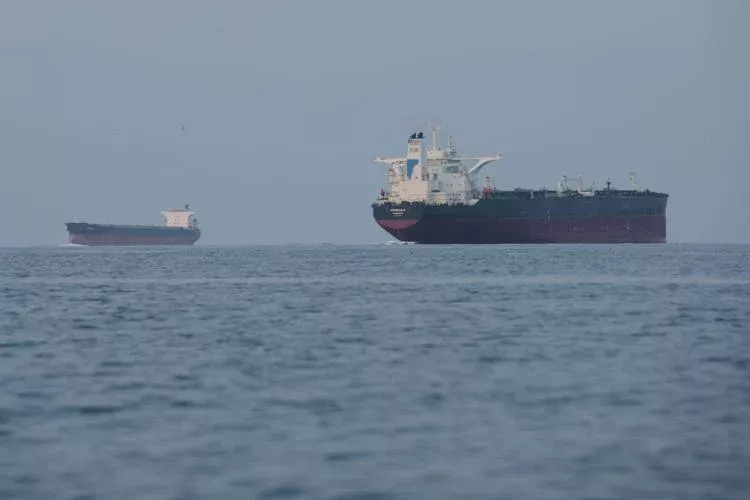

Tehran has vowed retaliation after the United States seized an Iran-flagged vessel that was defying a naval blockade, a development that has sent shock waves through global energy markets and reignited fears of a broader confrontation capable of disrupting oil supplies for months. The high-stakes game of maritime cat-and-mouse has once again placed the world’s most important energy corridor on edge.
The dramatic boarding occurred on April 19, 2026, in waters south of the Strait of Hormuz, where the U.S. Navy’s guided-missile destroyer USS Gravely intercepted the 300,000-ton tanker after it refused to alter course, according to a detailed timeline shared with allied governments and later confirmed by Fox News. The ship was carrying Iranian crude valued at roughly $80 million on the open market, destined for a buyer in East Asia.
For more than a year, the United States and its partners have quietly intensified patrols to choke off Iran’s ability to sell oil outside approved channels. The policy, expanded under pressure from Congress, has succeeded in reducing Tehran’s illicit revenue but at the cost of repeated near-misses at sea. This latest seizure, however, crossed a threshold that Iranian leaders say cannot be ignored.
Tehran Vows Retaliation After U.S. Seizes Iran-Flagged Vessel Defying Blockade
In language reminiscent of past crises, Iran’s state broadcaster quoted military officials saying the country “retains all options, including closure of the strait if necessary.” A senior Iranian oil ministry official, speaking to Reuters on background, warned that any further seizures would force Tehran to “reconsider its restraint” in the energy sector. The comments sent Brent crude surging above $88 a barrel in electronic trading, the highest level since the initial outbreak of hostilities in the Red Sea last year.
The economic dimension of the standoff is impossible to overstate. Iran exports an estimated 1.5 million barrels per day through shadowy networks, generating critical foreign currency despite sanctions. The MV Persian Glory represented a particularly visible challenge to that system. By seizing it in full view of international shipping lanes, the United States sent an unmistakable signal that even sophisticated evasion tactics would no longer be tolerated.
Yet the financial pain is not one-sided. American consumers could soon feel the pinch at the pump, while Asian economies already grappling with slowing growth face higher import bills. Energy traders in Singapore and Dubai reported a rush of inquiries for alternative cargoes from Saudi Arabia and the United States. “The market hates uncertainty,” said Helima Croft, global head of commodity strategy at RBC Capital Markets. “And right now, uncertainty is the only certainty.”
Diplomats in Geneva and New York are scrambling to prevent the situation from spiraling. The United Nations Security Council held an emergency consultation at Iran’s request, though no resolution is expected. China, which purchases nearly 90 percent of Iran’s exported crude through unofficial channels, has privately urged Tehran to show restraint while publicly condemning the U.S. action as “unilateralism.”
On Capitol Hill, the seizure has been met with a mixture of approval and caution. Senate Armed Services Committee Chairman Roger Wicker called it “a necessary demonstration of American power,” while ranking Democrat Jack Reed urged the administration to “pursue every diplomatic avenue to prevent miscalculation.” The White House, meanwhile, has emphasized that the operation was conducted “professionally and in accordance with international norms.”
Behind the scenes, intelligence assessments paint a complex picture. U.S. officials believe Iran possesses the capability to harass shipping with drones and mines but may hesitate to trigger a full-scale naval battle it cannot win. Still, the Revolutionary Guard’s naval branch has grown more sophisticated, incorporating swarms of explosive-laden speedboats and long-range anti-ship missiles supplied by Russia and China.
The incident also highlights the human element often lost in geopolitical headlines. The 27 crew members aboard the seized tanker include fathers and sons from coastal towns in southern Iran. Their families gathered outside the foreign ministry in Tehran on Sunday, holding photographs and demanding their safe return. Iranian officials have promised to raise their case at every international forum.
Longer-term questions remain about the sustainability of the sanctions regime. Critics argue that repeated seizures only encourage Iran to accelerate its nuclear program and deepen ties with adversarial powers. Proponents counter that allowing unchecked oil sales would reward bad behavior and fund proxy wars from Lebanon to Yemen.
As analysts pore over satellite imagery and shipping data, one thing is clear: the Persian Gulf has once again become the stage for a high-wire act between Washington and Tehran. Whether the current crisis resolves through quiet prisoner-style swaps or escalates into something far more dangerous will depend on decisions made in the coming days in quiet rooms far from public view.