
The Iran conflict stands as a boon for Russia’s war machine, offering a confluence of economic boosts, deepened military partnerships, and Western distraction that collectively extend Moscow’s staying power in Ukraine well beyond what oil price spikes alone could achieve. In the calculus of the Kremlin, the distant flames in the Persian Gulf have become an unlikely accelerator for its European ambitions.
On March 27, 2026, as maritime insurers pull coverage from Gulf routes and oil futures remain elevated, analysts tracking the parallel conflicts in Ukraine and the Middle East see patterns that favor the Kremlin. Intelligence briefings provided to NATO allies underscore how the crisis has reshaped resource flows and political calculations in ways that play to Russia’s strengths—endurance, adaptability, and the ability to exploit divided attention.
Energy Revenues That Fund the Long Haul
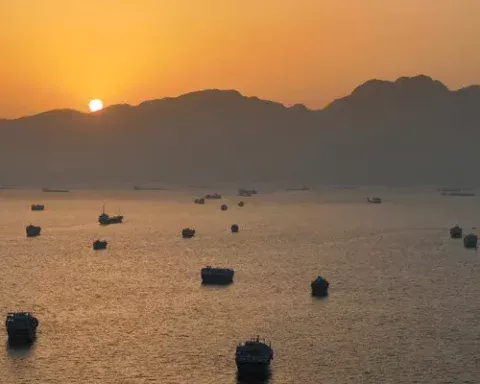
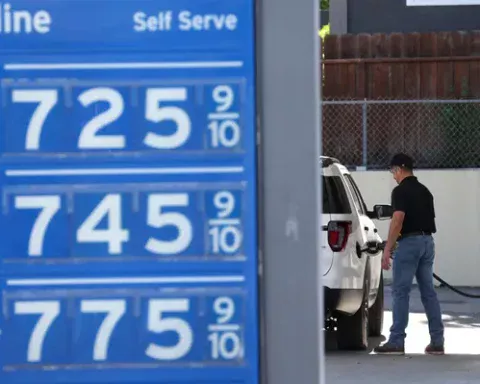
The most immediate and quantifiable advantage has come from energy markets. Disruption in the Strait of Hormuz has driven prices higher, allowing Russia to sell more of its discounted crude at premium rates under temporary Western waivers. Estimates compiled by Reuters and Bloomberg suggest an influx of roughly $7 billion in additional fossil fuel revenues since the conflict intensified, money that flows directly into the special accounts that finance the military.
This revenue stream has provided critical relief. Russian refineries damaged by Ukrainian strikes had threatened to create domestic fuel shortages; higher export earnings have offset those losses and kept production lines open. The effect ripples through the defense budget: more money for recruitment incentives, drone components, and the artillery shells that have defined the attritional warfare in eastern Ukraine.
The Iran Conflict Is a Boon for Russia’s War Machine – And It’s Not Just About Oil
The deeper value lies in the non-energy dimensions. The Russia-Iran axis, forged in the fires of Ukraine, has matured into a comprehensive partnership that now spans intelligence, production, and sanctions resistance. Moscow’s provision of targeting data and drone tactics to Iranian forces—detailed in multiple CNN dispatches—has kept Tehran in the fight longer than many expected, preserving a vital source of low-cost unmanned systems for Russian use.
In parallel, the two nations have refined joint procurement networks that procure everything from microchips to machine tools. These networks, stress-tested by years of sanctions, have proven remarkably resilient to the current turmoil. The Atlantic Council and other research groups describe them as a self-sustaining ecosystem that allows both countries to maintain military output despite export controls.
Western Distraction as Strategic Oxygen
The conflict’s most potent gift to Russia may be intangible: the diversion of Western focus and resources. With U.S. attention fixed on the Gulf, aid packages to Ukraine have faced delays, and diplomatic initiatives have stalled. Russian commanders have used the window to reposition forces and prepare for intensified operations once weather improves. As one Ukrainian official told NBC, the timing could not have been worse for Kyiv or better for Moscow.
This distraction also weakens the narrative of unified Western resolve. European governments, facing higher energy bills at home, are under domestic pressure to prioritize their own economies over sustained support for Ukraine. The result is a subtle erosion of political will that Russia has long sought to exploit.
Sanctions Resilience and Future-Proofing the Economy
Longer-term, the crisis is forcing a reconfiguration of global energy flows that could benefit Russia for years. Pipeline projects with China that once stalled now appear more viable as buyers seek alternatives to vulnerable sea lanes. Fertilizer and LNG markets have tightened in complementary ways, creating new revenue avenues that diversify the Russian budget away from pure crude dependence.
These developments reduce Moscow’s vulnerability to future sanctions tightening. By embedding itself more deeply in Asian markets and parallel financial systems, Russia is building the economic depth needed for a protracted conflict. Analysts at Bruegel and similar European think tanks note that the current windfall has postponed difficult structural reforms, giving the Kremlin breathing room it lacked six months ago.
Weighing the Trade-offs
To be sure, risks remain. Iranian instability could yet disrupt drone supplies or trigger broader sanctions that snag Russian shadow fleets. Ukrainian forces continue to strike deep into Russian territory, and public fatigue with the war has not vanished. Yet the prevailing mood in Moscow, according to observers cited across Fox News and The New York Times, is one of cautious optimism. The Iran conflict has handed Russia a multifaceted advantage at precisely the moment its war machine needed reinforcement.
In the end, the episode underscores a larger truth about modern great-power competition: crises rarely remain contained. What looks like a localized confrontation in the Gulf has quietly rewritten the math in Ukraine, giving Russia the resources, partners, and time it needs to keep fighting. How long that advantage lasts will depend on whether the West can refocus before the window closes.
This article is based on reporting from BBC, CNN, NBC, Fox News, New York Times and other media outlets.
Focus keywords: Iran conflict strategic benefit Russia Ukraine, Russia war machine Iran distraction sanctions, Russia Iran alliance military economic gains 2026, beyond oil Russia benefits Iran war, Russia geopolitical patience Iran conflict