
The Strait of Hormuz remains one of the most strategically vital waterways on the planet, and Iran’s influence over it shows every sign of being a long-term fixture in global energy security, resistant to military pressure, diplomatic initiatives, and efforts to find alternative routes. This persistent leverage allows Tehran to shape regional dynamics and global oil markets in ways that continue to concern policymakers from Washington to Beijing, even as the latest round of tensions appears to ease.
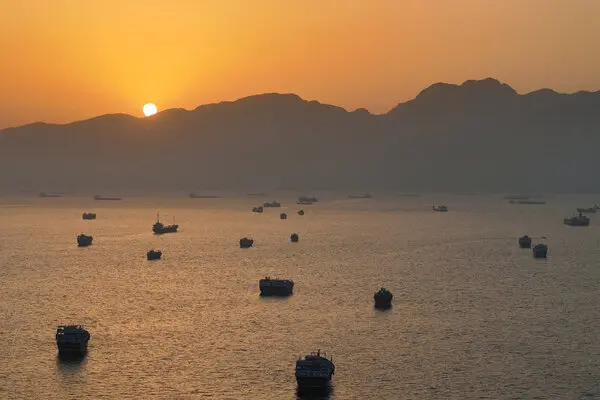
As of June 4, 2026, maritime traffic through the strait has stabilized somewhat after the dramatic disruptions earlier this year, yet shipping companies and energy traders continue to operate with heightened caution. Elevated insurance costs and occasional naval incidents serve as daily reminders that the underlying power balance has not fundamentally shifted in favor of those seeking to diminish Iran’s role.
Roots of a Enduring Geopolitical Reality
The geography of the Strait of Hormuz has always favored the nation that controls its northern shores. At its narrowest point, the passage squeezes to just 21 miles, with busy shipping channels running close to Iranian islands and coastal defenses. This natural layout, combined with decades of military investment, has allowed Iran to develop capabilities specifically designed for this confined space. From mobile anti-ship missile units hidden in the rugged terrain to swarms of fast patrol boats operated by the Revolutionary Guard, Tehran has built a credible deterrent that is difficult and expensive for outside powers to neutralize completely.
While the United States and its allies maintain a strong naval presence in the Gulf, sustaining continuous operations to guarantee uninterrupted passage against asymmetric threats remains a significant challenge. Past confrontations, including the 1980s Tanker War and more recent incidents in 2019 and 2022, have repeatedly demonstrated how quickly commercial shipping can be disrupted with relatively limited means.
Iran’s Enduring Influence Over the Strait of Hormuz: Structural Factors at Play
Multiple interlocking elements explain why experts across major news organizations assess Iran’s influence over the Strait of Hormuz as remarkably durable. First among these is the limited viability of bypass options. Although Saudi Arabia and the United Arab Emirates have constructed pipelines capable of diverting some oil away from the strait, their combined capacity falls far short of the roughly 20 million barrels of oil that typically transit the waterway each day. Expanding this infrastructure would require enormous investment and time, during which global demand—particularly from China and India—continues to grow.
Second, Iran’s military doctrine has evolved to embrace asymmetry as a core principle. Rather than attempting to match the conventional firepower of the U.S. Navy, Iranian forces focus on harassment tactics, mine-laying potential, and precision strikes using relatively inexpensive weapons. This approach allows Tehran to raise the costs of confrontation for adversaries while preserving its own ability to export oil when tensions de-escalate.
Third, the economic interdependence created by the strait works in Iran’s favor. Qatar, a major global supplier of liquefied natural gas, also relies on these waters, meaning any prolonged closure would harm multiple regional players. This shared vulnerability has often led to quiet backchannel diplomacy even during periods of open hostility. Analysts note that Iran has skillfully used the threat of disruption as leverage in nuclear negotiations and sanctions relief talks over the years.
The 2026 Flashpoint and Its Aftermath
The most recent crisis erupted in the early months of 2026 following U.S. and Israeli military strikes aimed at Iranian nuclear and missile facilities. In response, Iranian forces conducted a series of operations in and around the strait, including vessel inspections, drone overflights, and reported mine deployments. The resulting uncertainty caused a sharp decline in tanker movements for several weeks, pushing oil prices above $100 per barrel and triggering emergency reviews in energy ministries worldwide.
By late spring, a tenuous understanding had been reached that allowed partial resumption of traffic. However, the episode highlighted the fragility of the situation. Naval commanders from coalition forces described the challenge of escorting merchant vessels through waters where small, hard-to-detect threats can emerge suddenly. Insurance underwriters in London and Singapore adjusted premiums accordingly, adding significant costs to already strained supply chains.
Global Economic Repercussions
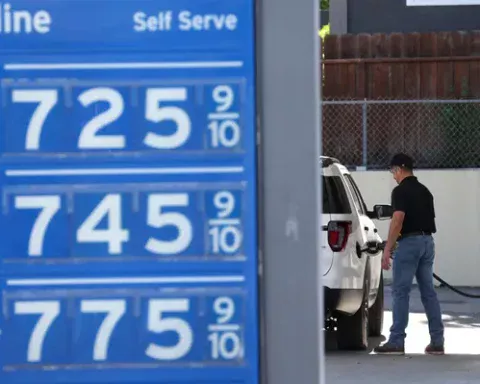
The effects of instability in the Strait of Hormuz extend well beyond energy traders. European nations, still recovering from previous energy shocks, faced renewed concerns about inflation and industrial competitiveness. In Asia, where the majority of Gulf oil is destined, governments quietly increased strategic reserves while pressing for diplomatic solutions. Developing countries in Africa and South Asia, many of which lack the financial buffers of wealthier nations, experienced the most acute pain as fuel prices climbed.
Shipping firms reported rerouting dozens of vessels around Africa, adding 10 to 14 days to journeys and increasing fuel consumption and emissions. These indirect costs, though less visible than direct attacks, contribute to broader economic uncertainty and have accelerated discussions about supply chain resilience in corporate boardrooms.
Diplomatic Efforts and Persistent Obstacles
International diplomacy has focused on preventing future closures while addressing root causes. Meetings involving the P5+1 framework, Gulf Cooperation Council members, and Iranian representatives have produced short-term agreements but little in the way of structural change. The United States continues to emphasize freedom of navigation as a core interest, conducting regular patrols to deter aggressive actions.
Iran, meanwhile, maintains that its presence in the strait is defensive and rooted in legitimate sovereignty concerns. Iranian officials frequently point to external military activities near their coastline as justification for their readiness to respond. This fundamental difference in perspective has made comprehensive agreements elusive, with each side viewing the other’s actions through a lens of suspicion.
Military and Technological Dimensions
Advances in technology have enhanced Iran’s capabilities in the region. Improved drone systems, satellite navigation jamming equipment, and domestically produced anti-ship missiles create a sophisticated layered defense. While not capable of defeating a determined major power assault, these tools are highly effective at raising risks and complicating operational planning for commercial and military vessels alike.
Western intelligence assessments consistently highlight the Revolutionary Guard’s focus on the strait as a primary theater for asymmetric warfare. Exercises conducted in recent years have showcased coordinated operations involving surface vessels, underwater assets, and shore-based systems, sending clear signals about Tehran’s preparedness.
Regional Dynamics and Broader Implications
Views within the Gulf are complex. Oman has played a constructive role as a potential mediator, leveraging its position on the southern side of the strait. Saudi Arabia and the UAE have pursued hedging strategies, including strengthened ties with Asian consumers and investment in renewable energy sources. Yet even these efforts acknowledge that the strait will remain central to Gulf exports for the coming decade at least.
China’s position is particularly noteworthy. As the largest buyer of Iranian and other Gulf crude, Beijing has economic reasons to favor stability but has also cultivated strong relations with Tehran. This balancing act adds another layer to the diplomatic equation and limits the effectiveness of efforts to isolate Iran completely.
Environmental and Human Considerations
Significant disruptions in the Strait of Hormuz would carry severe environmental risks. A major oil spill in these busy, confined waters could devastate marine ecosystems and coastal communities on both sides. Fishermen and local traders who depend on the waters for their livelihood already navigate a climate of uncertainty that affects daily life and economic planning.
For many Iranians living along the northern coast, control of the strait represents national pride and strategic necessity. This domestic sentiment reinforces Tehran’s commitment to maintaining its influence regardless of external pressure.
Prospects for the Coming Years
As the world gradually shifts toward cleaner energy sources, the importance of the Strait of Hormuz may slowly decline over decades. However, that transition is expected to be gradual, and oil and gas will likely remain crucial components of the global energy mix well into the 2030s. In the interim, prudent risk management by governments and industry will need to account for Iran’s continued strategic role in this critical chokepoint.
The lessons of 2026 suggest that while short-term stability can be achieved through diplomacy and deterrence, the structural factors favoring Iranian influence are deeply entrenched. Stakeholders are therefore focusing on practical measures—enhanced naval cooperation, diversified supply routes where feasible, and sustained diplomatic engagement—to manage rather than eliminate the risks associated with this enduring geopolitical reality.