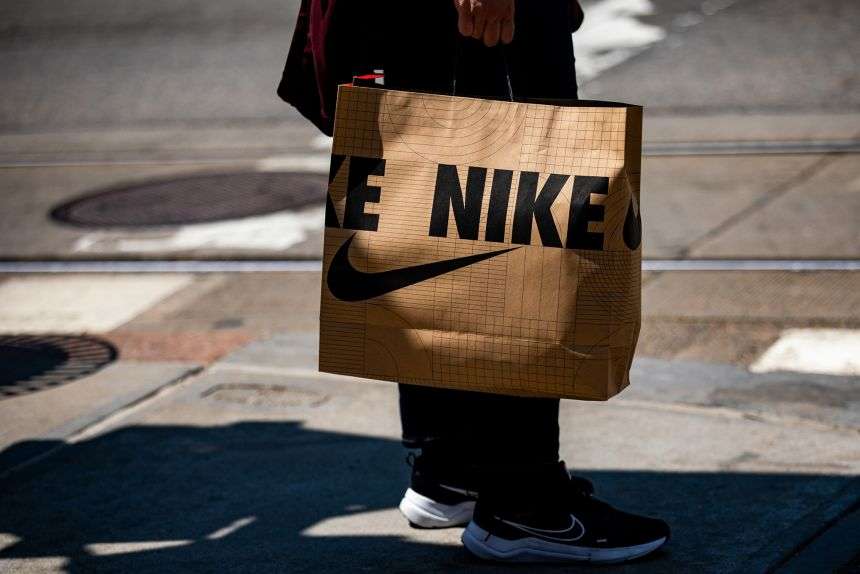
The U.S. Equal Employment Opportunity Commission is investigating Nike for alleged discrimination against white employees, pursuing claims that the sportswear company’s diversity, equity and inclusion initiatives, including its 2025 representation targets, resulted in systemic disparate treatment in hiring, promotions, layoffs and career development programs.
The announcement came on February 4, 2026, when the EEOC filed an action in federal court in Missouri to enforce a subpoena against Nike, seeking extensive records dating back to 2018 on workforce demographics, race-based goals, mentoring programs and personnel decisions. The agency described the probe as examining “systemic allegations of DEI-related intentional race discrimination,” marking one of the most prominent enforcement actions targeting corporate diversity efforts under the current administration.
Nike, the global athletic apparel leader valued at billions and known for high-profile marketing campaigns championing social justice, now finds itself at the center of a legal and cultural debate over the boundaries of workplace inclusion programs. The company’s response described the escalation as “surprising and unusual,” while affirming its commitment to compliance with employment laws.
Roots of the Investigation
The probe stems from longstanding complaints about Nike’s DEI framework. In 2021, the company publicly committed to ambitious goals, including increasing representation of racial and ethnic minorities to 35 percent in its corporate workforce by 2025, alongside targets for women and underrepresented groups in leadership roles. These pledges followed a period of heightened corporate focus on racial equity after the 2020 protests over police violence.
Critics, including conservative legal groups and some former employees, argued that such numerical targets crossed into unlawful quotas, potentially disadvantaging white workers and men in hiring, advancement and retention. A key catalyst was a 2024 discrimination charge filed by Andrea Lucas, then an EEOC commissioner and now its chair, alleging race-based discrimination against white employees. That charge, combined with other complaints, prompted the subpoena.
When Nike did not fully comply with the agency’s demands for data— including details on 16 allegedly race-restricted mentoring and leadership programs, executive compensation tied to diversity metrics, and racial breakdowns in layoffs—the EEOC sought court intervention. The filing emphasized potential violations of Title VII of the Civil Rights Act, which prohibits employment discrimination on the basis of race, among other protected categories.
Federal Agency Probes Nike Over Alleged Discrimination Against White Employees
The EEOC’s action represents a significant escalation in scrutiny of corporate DEI programs, reflecting broader policy shifts. Under the Trump administration, the agency has emphasized “evenhanded enforcement” of civil rights laws, with Chair Lucas stating that the focus includes protecting all workers from race-based bias, regardless of background. The Nike case appears to be among the first high-profile instances where the EEOC has publicly pursued allegations that diversity initiatives themselves constitute discrimination against white individuals.
Legal experts note that while private-sector affirmative action remains permissible in limited circumstances, explicit quotas or decisions influenced by race can trigger liability. The EEOC’s broad request for information—covering not just outcomes but the processes behind them—suggests investigators are looking for evidence of intentional disparate treatment or patterns that disadvantage white employees across multiple functions.
Nike has maintained that its programs are designed to foster inclusion and address historical underrepresentation, not to exclude any group. In statements to media outlets, the company highlighted its track record of compliance and expressed willingness to cooperate, while characterizing the subpoena enforcement as an overreach.
Broader Implications for Corporate America
The investigation arrives amid a national reckoning over DEI initiatives. Several major corporations have scaled back or rebranded such programs in recent years, citing legal risks, shareholder pressure and political backlash. Nike’s case could set precedents for how far federal enforcers will go in challenging race-conscious policies.
Observers point to parallels with Supreme Court rulings limiting affirmative action in higher education, which have emboldened challenges to similar practices in employment. Conservative advocacy organizations have filed complaints against other companies, but Nike’s prominence—bolstered by its cultural influence and past activism—makes this probe particularly symbolic.
Employee reactions have been mixed. Some current and former workers have supported the company’s diversity efforts as essential for innovation and equity in an industry long criticized for lack of representation. Others, including anonymous sources cited in reports, have expressed concerns that pressure to meet targets created an uneven playing field.
The EEOC has not identified specific victims in its filing, instead referring to potential harm to “all White employees, former employees, prospective employees, and current and prospective training program applicants and participants.” If the investigation substantiates claims, it could lead to conciliation efforts, litigation or systemic remedies such as policy changes and back pay.
Nike’s Legacy and Current Challenges
Nike has long positioned itself as a progressive corporate citizen, with campaigns featuring athletes from diverse backgrounds and public support for social causes. Yet the company has faced workplace controversies before, including prior EEOC investigations into gender discrimination and harassment allegations.
This latest scrutiny intersects with broader business pressures. Nike has navigated supply chain issues, shifting consumer trends and competition in athletic wear. Stock performance and brand perception could be influenced by prolonged legal battles, particularly if the probe draws sustained media attention.
Legal analysts suggest the case may hinge on whether Nike’s practices involved rigid quotas versus flexible goals, and whether race was a determining factor in individual decisions. The outcome could influence how other companies structure their inclusion strategies, potentially leading to more race-neutral approaches or heightened documentation to demonstrate compliance.
For now, the investigation remains in its early stages, focused on gathering evidence through the subpoenaed materials. Nike’s cooperation—or lack thereof—will shape the next phase, as the EEOC determines whether to pursue formal charges or resolve the matter administratively.
The evolving landscape underscores tensions between advancing workplace equity and ensuring nondiscrimination protections apply universally. As one of the most recognizable brands in the world confronts federal allegations of bias, the Nike probe serves as a bellwether for the future of corporate diversity efforts in an era of intensified scrutiny.
Focus keywords: EEOC Nike investigation, Nike discrimination white employees, Nike DEI probe, reverse discrimination Nike, Nike alleged bias white workers, federal probe Nike white employees, Andrea Lucas EEOC Nike, Nike 2025 DEI targets, workplace discrimination Nike, corporate DEI scrutiny