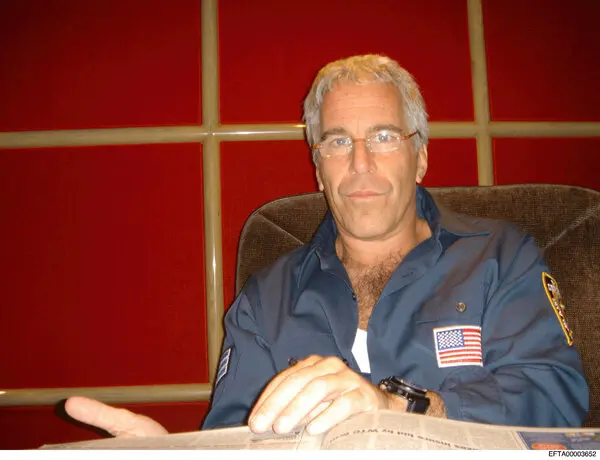
A fresh wave of documents from the Jeffrey Epstein investigation has unleashed widespread controversy, ensnaring numerous high-profile figures in renewed scrutiny over their associations with the convicted sex offender. While the files contain extensive references to the current U.S. president and other prominent American personalities, the most acute political danger has materialized elsewhere: a sitting world leader faces mounting pressure, calls for resignation, and internal party unrest that could potentially end their tenure—driven not by personal involvement but by decisions surrounding a key appointee’s longstanding ties to Epstein.
As of early February 2026, the fallout from the latest tranche of unsealed materials—released under federal transparency measures—continues to reverberate across capitals. The documents, encompassing emails, photographs, flight logs, and correspondences, detail Epstein’s persistent network among elites years after his 2008 conviction for procuring a minor for prostitution. Names from politics, business, and royalty appear repeatedly, prompting investigations, apologies, and resignations in several nations. Yet the intensity varies sharply by political system and leadership context.
The Unfolding of Long-Hidden Connections
The Epstein case, originating with his 2019 arrest and death in federal custody, has morphed into an enduring symbol of unchecked influence and potential accountability gaps. Recent releases, amounting to millions of pages from the Department of Justice, have amplified earlier disclosures by revealing deeper interactions. Exchanges include market-sensitive information shared during financial crises, casual communications, and evidence of sustained relationships post-conviction.
In one prominent instance, a veteran political strategist—long known for ties to Epstein—was elevated to a high diplomatic post despite prior public awareness of the connection. Newly surfaced emails and records suggest the relationship was far more intimate than previously admitted, including alleged sharing of confidential details and financial links. This prompted a criminal probe into possible misconduct, alongside the individual’s swift dismissal and departure from party and legislative roles.
The appointing leader, who had vetted the figure and received assurances of limited involvement, has since publicly apologized to Epstein’s victims, acknowledging being misled about the “depth and darkness” of the association. The leader emphasized regret over the appointment and pledged greater transparency in vetting processes, yet critics argue the decision reflects flawed judgment at the top.
A Scandal Poised to Unseat a Leader—But Not the American President
The contrast in consequences is stark. In the United States, the president’s name surfaces frequently—often in flight logs from earlier decades, social references, and unverified allegations from associates. Some documents include claims of awareness or encounters, though the president has dismissed them as fabrications or politically motivated distractions, insisting on severed ties long ago. Allies have reframed the releases as exposing a broader “corrupt elite,” redirecting focus toward rivals while maintaining institutional support and a resilient base. No immediate calls for resignation or significant legislative threats have emerged, bolstered by partisan divisions and control over key institutions.
Elsewhere, however, the parliamentary dynamics prove far less forgiving. The leader in question presides over a system where government stability depends heavily on party cohesion and public perception of integrity. Internal dissent has grown, with lawmakers from the ruling coalition voicing frustration over the distraction from core policy priorities. Opposition figures have demanded no-confidence proceedings, portraying the episode as emblematic of ethical shortcomings. Polling indicates eroding approval, with significant portions of the public believing resignation would be appropriate.
This vulnerability underscores institutional differences: robust executive protections in some systems versus the precariousness of prime ministerial authority reliant on majority backing. The leader’s prior reputation—as a reformer focused on ethical governance—has made the perceived lapse particularly damaging, fueling accusations of hypocrisy.
Broader Ripples: Resignations, Probes, and Royal Echoes
The files’ global scope has triggered varied responses. In one European nation, a senior security advisor resigned after revelations of post-conviction meetings with Epstein, though no criminality was alleged. Elsewhere, former officials face corruption inquiries over email exchanges and encounters. A prominent international organization has launched an internal review of its leader’s reported dinners and contacts with Epstein.
Royal connections have resurfaced as well, with renewed pressure on a disgraced former royal to cooperate with investigators regarding longstanding associations. Additional figures from politics and business in multiple countries appear peripherally, illustrating Epstein’s expansive reach.
Victim advocates continue to stress that amid the elite intrigue, justice for survivors remains paramount. Calls persist for comprehensive, independent reviews to ensure accountability beyond political theater.
Victims at the Center Amid Power Struggles
Throughout, the human toll of Epstein’s crimes looms large. Survivors have renewed demands for full disclosure and systemic reforms to prevent exploitation by the powerful. While headlines fixate on famous names, advocates warn against overshadowing the experiences of those harmed.
For the threatened leader, the crisis represents a severe test of resilience. Public statements have sought to contain the damage through expressions of remorse and promises of reform, yet ongoing parliamentary scrutiny and media pressure suggest recovery will be challenging. The episode highlights how distant scandals can boomerang when intersecting with domestic politics.
In the United States, the narrative has polarized further, with each side accusing the other of selective outrage. The releases have sustained debate over transparency versus protection of privacy, but without destabilizing the executive branch.
As more details emerge from the Epstein archive, the scandal exposes enduring questions about influence, vetting, and accountability in global power structures. One leader’s position hangs precariously in the balance, while another’s remains fortified—illustrating how context, systems, and public tolerance shape outcomes in such storms.